

The short answer
A complete Leatt motocross gear set consists of eight components: helmet, goggles, neck brace, upper body protection, jersey, pants, gloves, and boots. If you're starting from scratch, entry-level models will cost approximately 600 to 700 euros for everything combined. If you only want the essentials, first buy a helmet, upper body protection, and boots. These are the three areas where a fall hits hardest.

Why Leatt has a special place in the motocross world
Leatt is a South African brand founded by Chris Leatt, a neurosurgeon. He developed the first neck brace after a fellow motocross rider died from a neck injury. That product became the foundation of the brand and is still what Leatt is most known for.
What that means in practice: Leatt builds its gear as a system. The helmets, neck braces, and body protectors are designed to work together, not as separate products that coincidentally come from the same brand. If you ride with a Leatt helmet and a Leatt neck brace, their shapes will align perfectly.
From head to toe
1. The helmet
The foundation. You won't get on the track without a helmet, and it's also the item you should least skimp on. The Moto 2.5 is the entry-level model within the motocross line and complies with ECE 22.06, the current European standard.
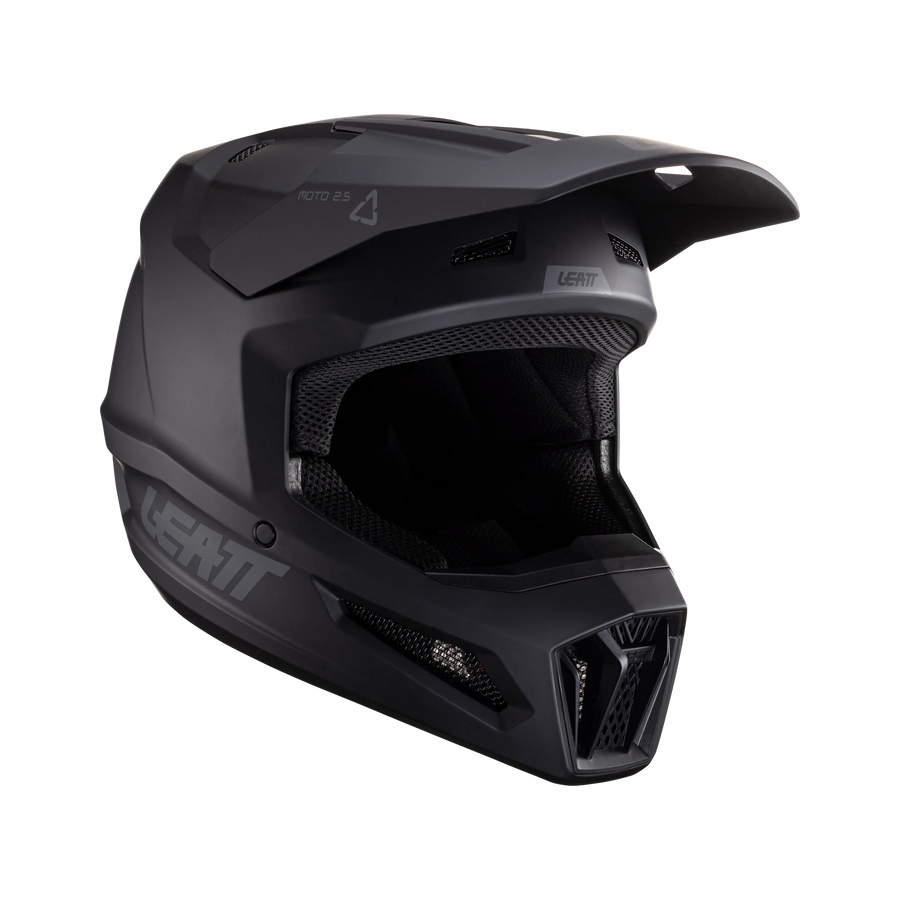
When choosing, pay particular attention to the fit. A helmet that slides is more dangerous than a cheaper helmet that fits well. If you're unsure about your size, use our size guide page.
2. The neck brace
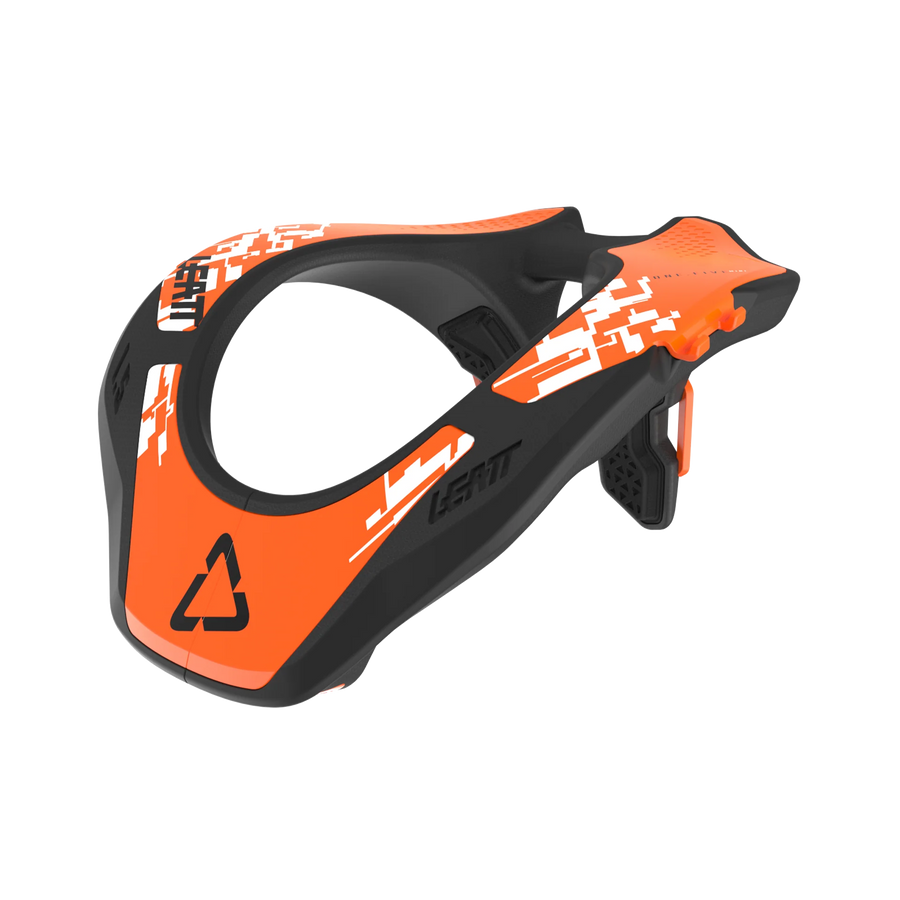
The product Leatt started with. A neck brace limits how far your head can bend forward during an impact and distributes the force over your shoulders and rib cage instead of through your neck.

The 5.5 is the model most riders choose. There is also a 4.5 which is cheaper, and a 6.5 in carbon for those who pay attention to weight. Important: a neck brace must fit with your body protector, as they share the same space on your shoulders.
3. Upper body protection
Here you have to choose between two types. A chest protector is a hard shield that primarily protects against rocks and branches, light and airy. A body protector goes further and also protects your back, ribs, and sometimes your elbows.

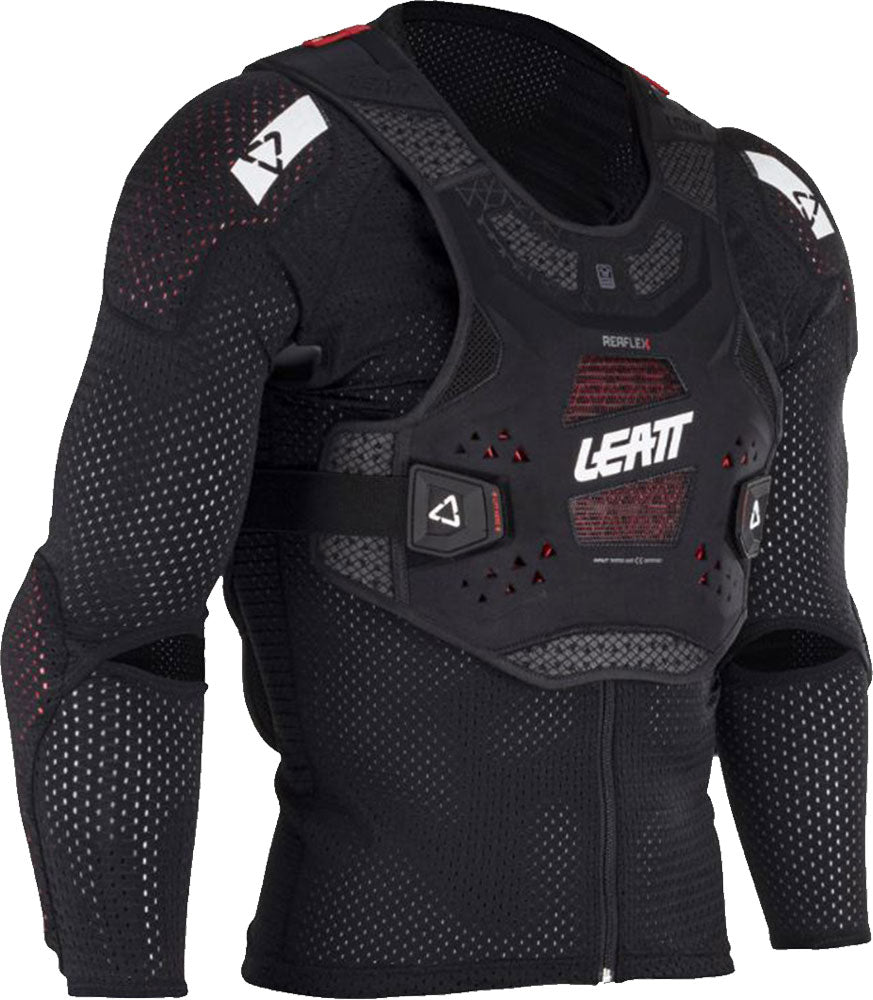
If you ride on a track among other riders, a chest protector is usually sufficient. If you ride enduro or in woods and sand where you fall more often alone, the extra back protection of a body protector is worth the money.

4. Jersey and pants
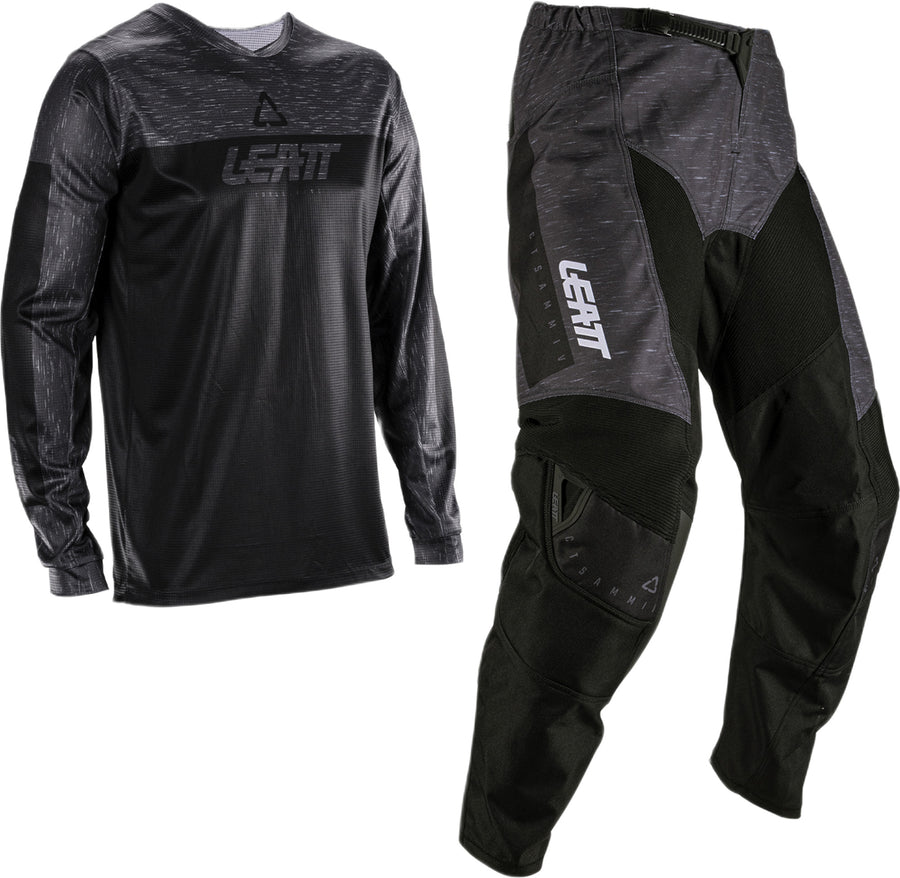
Motocross clothing does not protect against impacts; your underlying protection does that. What it is for: abrasion resistance, ventilation, and freedom of movement. The 4.5 line is the mid-range segment and more than sufficient for most riders.
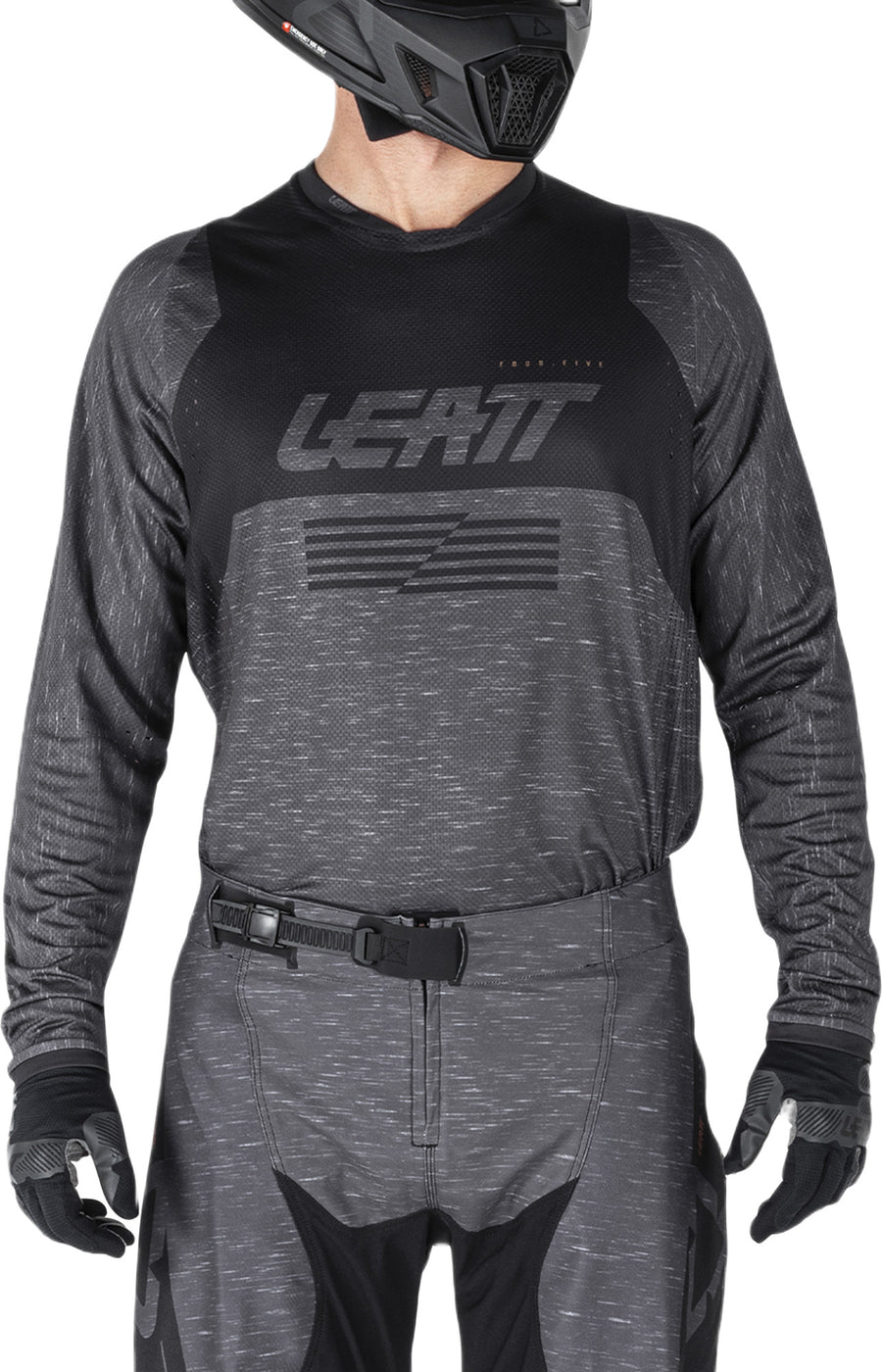
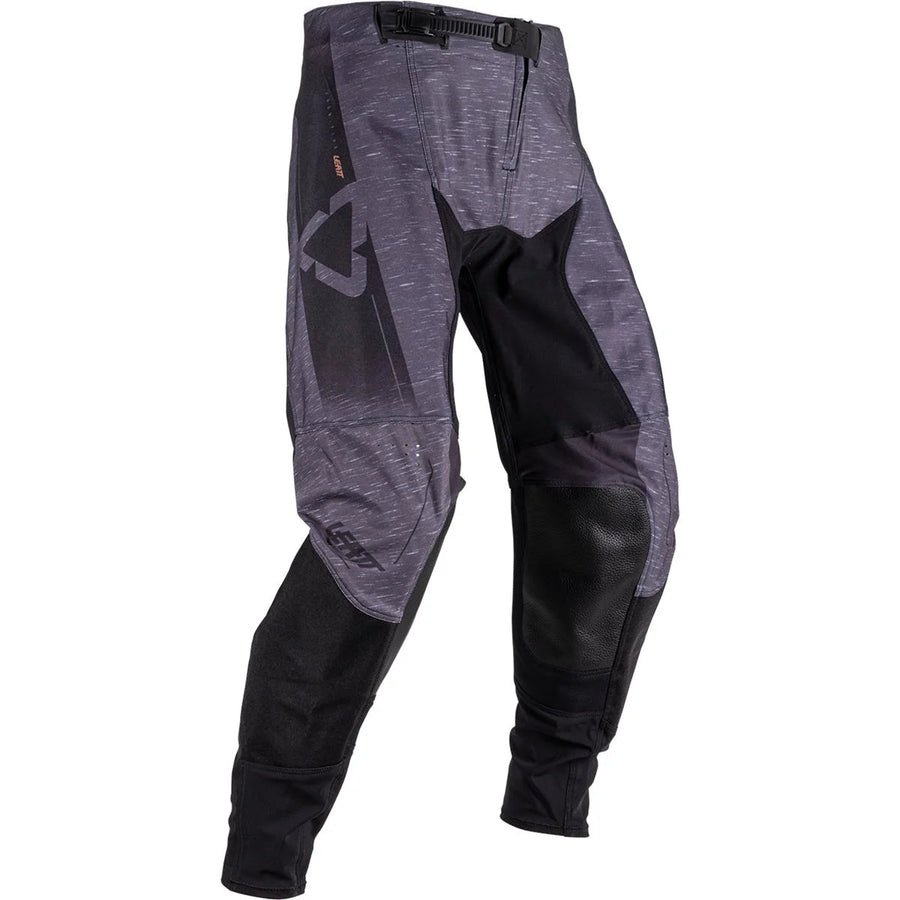
If you often ride in sand or compete, look at the 5.5 IKS pants. They are lighter and have more stretch, which makes a difference on long motos.
5. Gloves
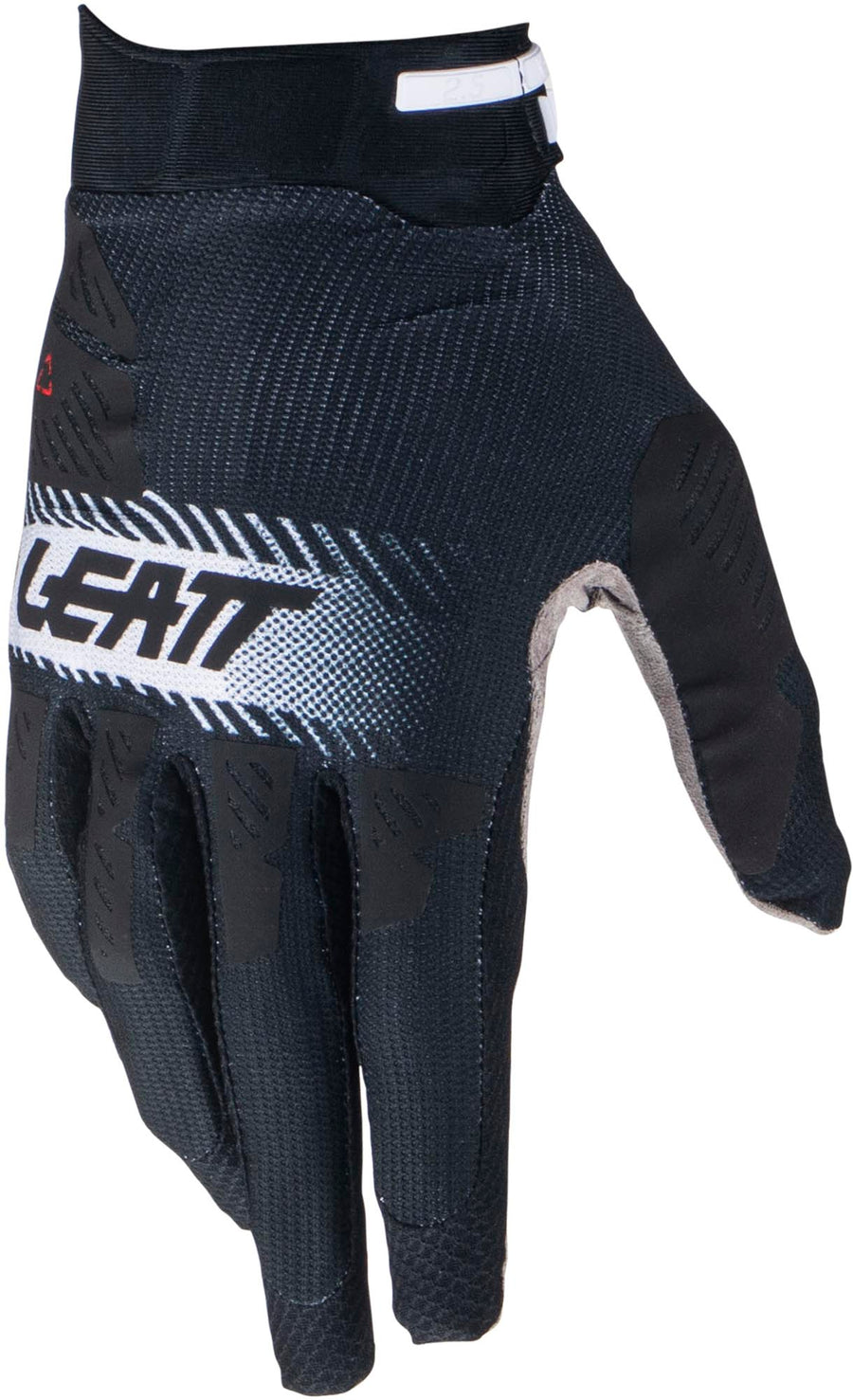
The component that wears out fastest and is therefore replaced most often. Don't buy expensive ones if you're just starting out; but do buy ones that fit well, because a glove that twists causes blisters.
6. Knee protection
The component that is most often skipped and most expensive to replace. Knee protection falls into two groups: knee guards (soft, affordable, protect against impacts) and knee braces (hard frame, guide the movement of your knee and prevent it from bending in the wrong direction).
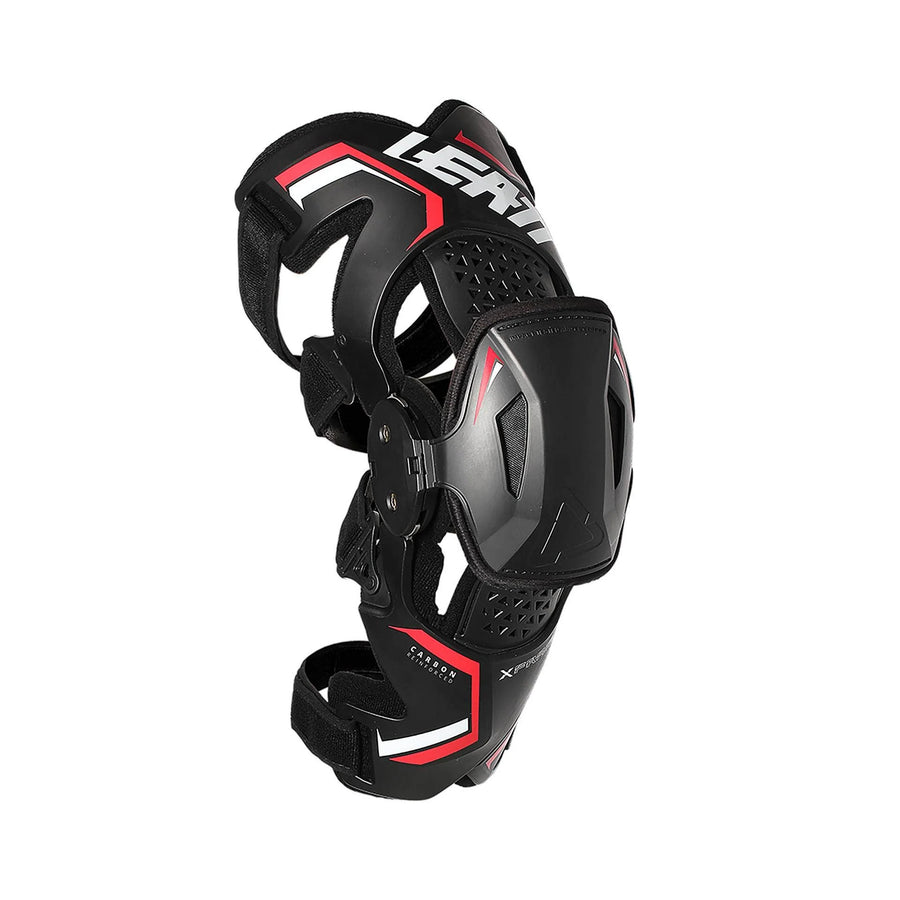
A brace is a significant investment. Anyone who has torn a cruciate ligament once needs no convincing. For those just starting out, separate knee guards are a great start.
7. Boots
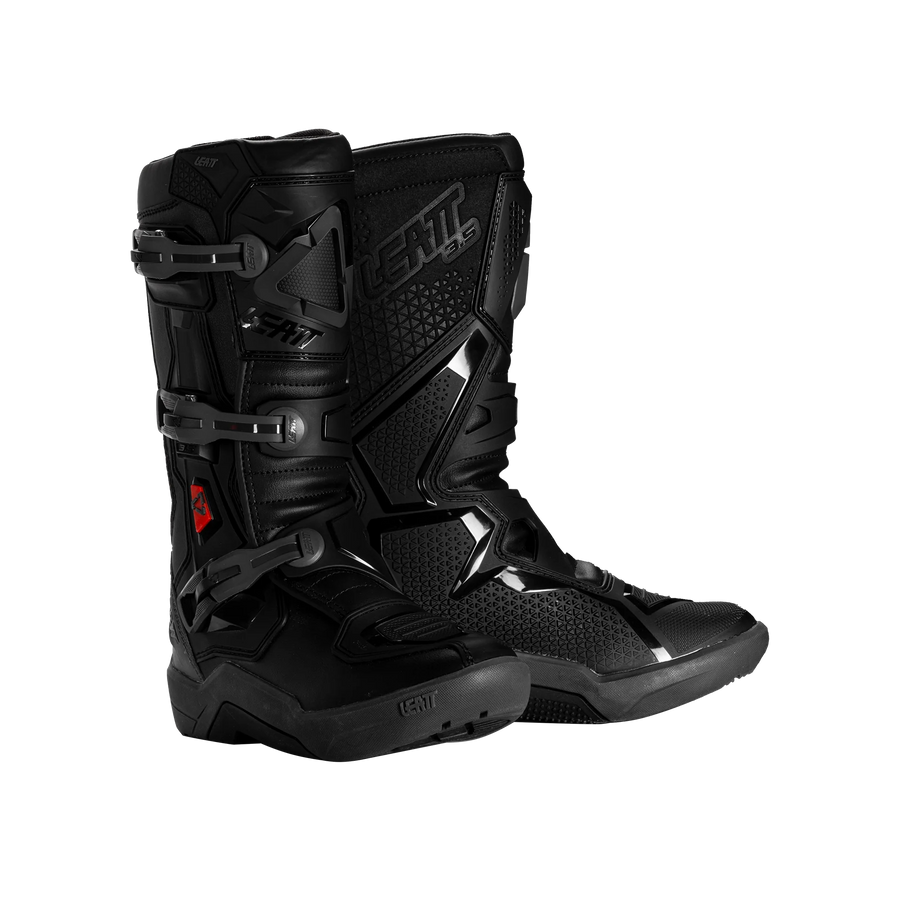
Motocross boots protect your ankle, shin, and foot, and are stiff so your foot cannot twist. Even for young riders, this is not an item to skimp on.

What does a complete gear set cost?
| Component | Entry-level | Advanced |
|---|---|---|
| Helmet | Moto 2.5, from 153.95 | Higher line with more shell sizes |
| Neck brace | 4.5, from 316.95 | 5.5 or 6.5 Carbon |
| Upper body | Chest Protector 3.5, from 153.95 | Body Protector ReaFlex |
| Jersey | 4.5 Lite, from 49.95 | 5.5 line |
| Pants | 4.5, from 144.95 | 5.5 IKS, from 180.95 |
| Gloves | 1.5 GripR, from 32.55 | 2.5 X-Flow, from 45.20 |
| Knee | Separate protectors | Z-Frame or X-Frame brace |
| Boots | 3.5 | 4.5 or higher |
Prices in euros, current at the time of writing.
Complete in one go: the Ride Kit
If you don't want to assemble separately, a Ride Kit is the quickest route. This includes jersey and pants in one set, in matching colors, at a lower price than buying separately.
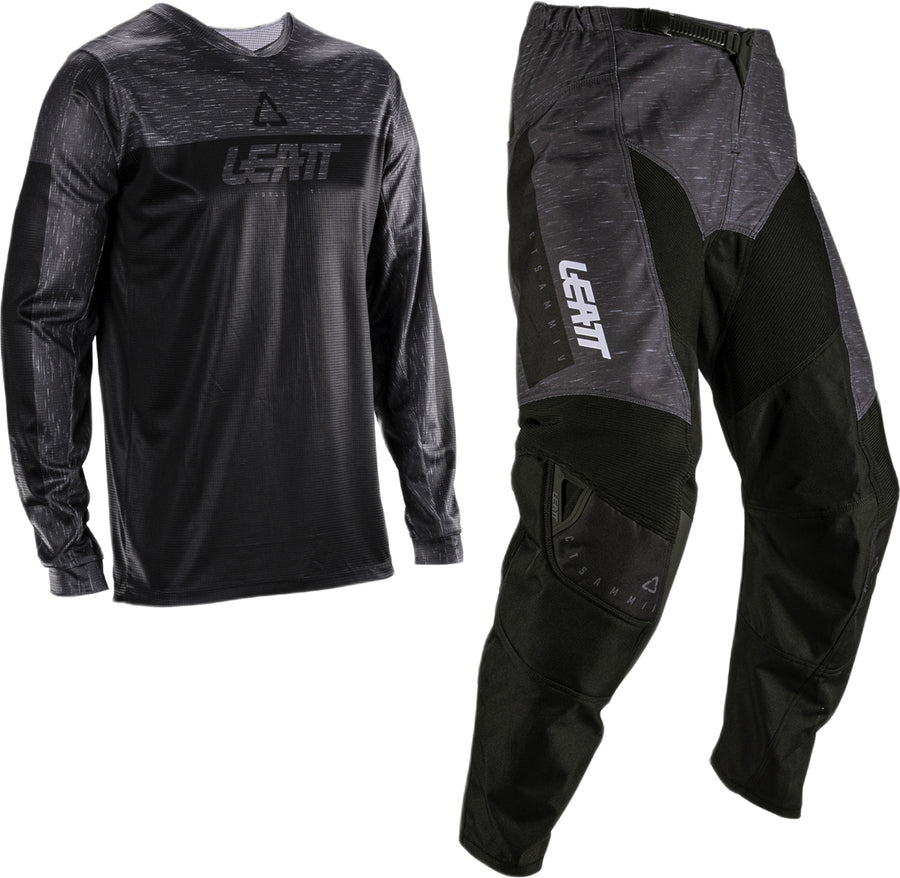
If you prefer to put together a complete set yourself, use our Leatt gear builder. There you can choose per component and see the discount applied: 10 percent for three items and 15 percent for five items.
For young riders
Children grow, and that makes the temptation to buy oversized gear strong. Don't do that with protection. A neck brace or body protector that is too loose will not protect. With jerseys and pants, you can take some leeway.
Frequently asked questions
Do I really need a neck brace?
On many race tracks, protection is mandatory and specific rules apply per organization; check this beforehand. Apart from that, it's a decision you make yourself. What a neck brace does is limit the movement of your head during a hard impact.
Can I combine a neck brace from one brand with a helmet from another?
You can, but you must check yourself if the helmet rim and the brace do not obstruct each other. Within one brand, this is coordinated. If in doubt, send us a message with your helmet model.
What is the difference between a chest protector and a body protector?
A chest protector covers the chest and sometimes part of the back, and is light. A body protector is more extensive and also protects the back and ribs, sometimes including elbows. More protection also means more heat and weight.
How often should I replace my protection?
After a hard impact, you should check everything for cracks and deformations. A helmet that has taken a significant impact should be replaced, even if you see nothing on the outside. Foam layers in protectors lose their elasticity after years of use.
What size do I need?
Sizes vary per brand and sometimes per model. The size guide page contains tables per brand. If you can't figure it out, please contact us with your height, weight, and the size you currently wear.
Where to start?
If you have nothing yet: helmet, upper body protection, and boots first. If you already ride and want to expand: neck brace and knee protection are the logical next step. And if you buy multiple items at once, do so via the gear builder so the volume discount is applied.
If you can't figure out which level suits you, let us know. We'll be happy to help.