


Short answer: before your first ride after winter, go through these points: battery, tyres, chain, brakes, oil and coolant, lights, and your paperwork. If you suspended your bike's registration, first end the suspension with the vehicle authority (in the Netherlands, the RDW) and make sure your insurance is active again. Then take an easy first ride, because after months of standing still, both you and your bike need a moment to get used to it again.
The first nice spring day is the moment every rider waits for all winter. But a bike that has been standing for months isn't automatically ready to ride. With this step-by-step guide you check everything that matters in one afternoon, so your first ride starts with enjoyment and not with a breakdown by the side of the road.
The checklist in brief
| Component | What do you check? |
|---|---|
| Battery | Does it charge well and does the bike start without trouble? |
| Tyres | Pressure, tread, cracks and age |
| Chain | Clean, lubricated and at the right tension |
| Brakes | Brake fluid, brake pads and whether the brakes feel right |
| Fluids | Engine oil and coolant at the right level |
| Lights | Headlight, tail light, brake light, indicators and horn |
| Paperwork | Suspension ended and insurance active |
| Gear | Helmet, clothing, gloves and rain gear |
1. Battery: charge and test
A flat battery is one of the most common reasons a bike won't start in spring. If the bike has been on a maintenance charger all winter, chances are everything is fine. If it stood without a charger, put it on the charger for a day before you try to start it. If the bike still starts reluctantly after that, the battery may need replacing.
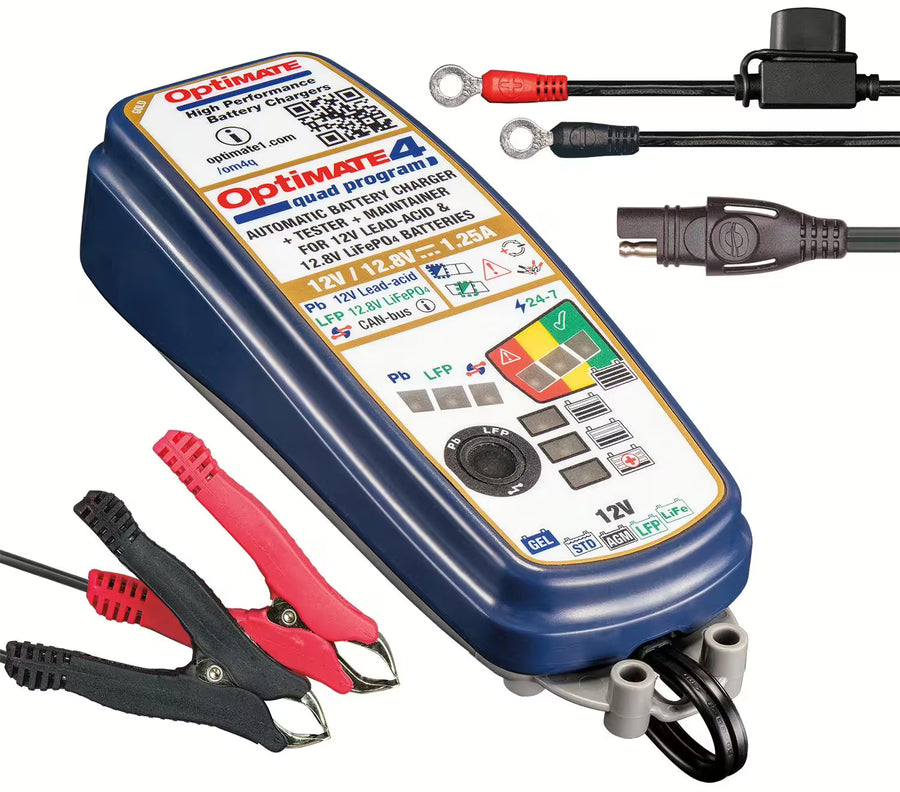
A smart charger such as the OptiMATE 4 charges the battery and then keeps it topped up, and is suitable for motorcycles with CAN-bus. If you run a lithium battery, always use a charger that supports lithium.
2. Tyres: pressure, tread and age
Tyres slowly lose pressure over winter. Always check tyre pressure with cold tyres and inflate to the value in your manual or on a sticker on the frame or swingarm. A tyre that is too soft steers heavier and wears faster.
- Tread: in the Netherlands, a minimum tread depth of 1 mm is required for motorcycle tyres. For grip on wet roads, more tread is of course better.
- Cracks: look at the sidewalls and between the tread blocks for small cracks. They point to dried-out rubber.
- Age: the sidewall carries a DOT code. The last four digits show the week and year of production. Rubber gets harder with the years, even if there is still enough tread.
3. Chain: clean, lubricate and adjust
A chain that has stood for months can dry out or get light rust. Clean it first with a chain cleaner or degreaser, let it dry and then lubricate it with chain spray. Preferably spray on the inside of the chain and let it soak in for a moment before you ride.


Then check the chain tension. The correct slack is in your manual. A chain that is too tight loads the bearings, a chain that is too loose can jump off. If there is a lot of play or the teeth of the sprocket are sharp and hooked, it is time for a new chain set.
With a paddock stand, working on the chain is a lot easier, because you can spin the rear wheel freely.

4. Brakes: fluid, pads and feel
Brake fluid absorbs moisture over time, which lowers its boiling point. Check the level and colour in the reservoir. New brake fluid is clear, old fluid turns dark. Many manufacturers advise replacing the brake fluid every two years. Always use the type stated on the reservoir or in your manual.

Also check the thickness of the brake pads and whether the brake discs look clean and smooth. Pull the brake lever a few times and press the brake pedal before you ride off. If the lever feels spongy, have the brakes checked.
5. Oil and coolant
If you didn't change the oil before winter storage, spring is a good moment. Old oil contains dirt and combustion residue. Check your manual for the viscosity and specification your bike needs, and check the level with the bike upright.

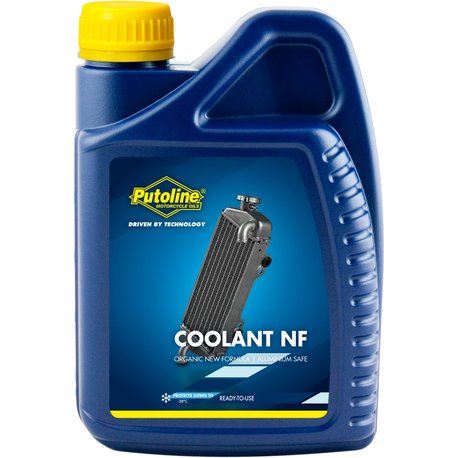
If your bike is liquid-cooled, also check the coolant level in the expansion tank. Top up with coolant suitable for your bike.
6. Lights, horn and indicators
A small check that is often forgotten. Switch the ignition on and check low beam, high beam, tail light, brake light (with the lever and with the pedal), indicators and horn. A broken brake light isn't noticeable to you, but it is to the driver behind you.
7. Wash and inspect
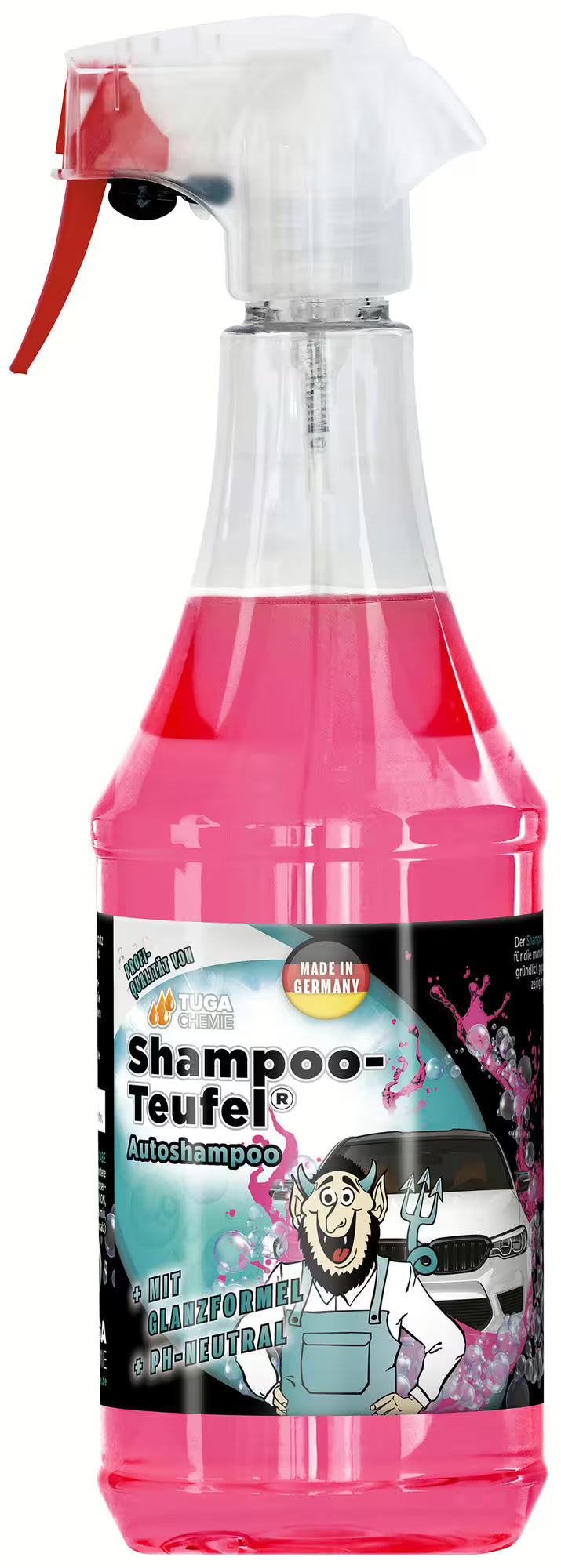
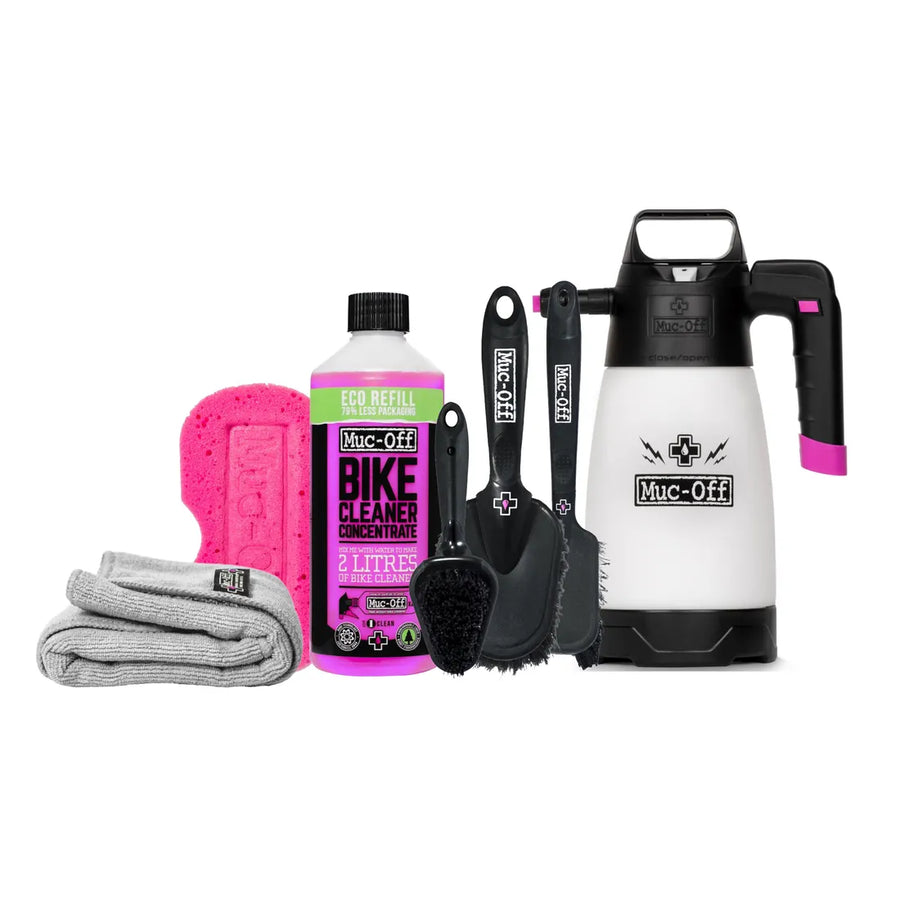
A clean-up is more than just making it look good. While washing, you spot loose bolts, leaking seals, cracked hoses or damaged cables much faster. Use a shampoo that is suitable for motorcycles, and no aggressive products on plastic and paint.
8. Paperwork: suspension and insurance
If you suspended your bike's registration for winter, it may only go back on public roads once you have ended the suspension (in the Netherlands, with the RDW). Also make sure your insurance is active again. Do this a few days before your first ride, so you don't end up facing a closed door on the first nice day.
9. Your own gear
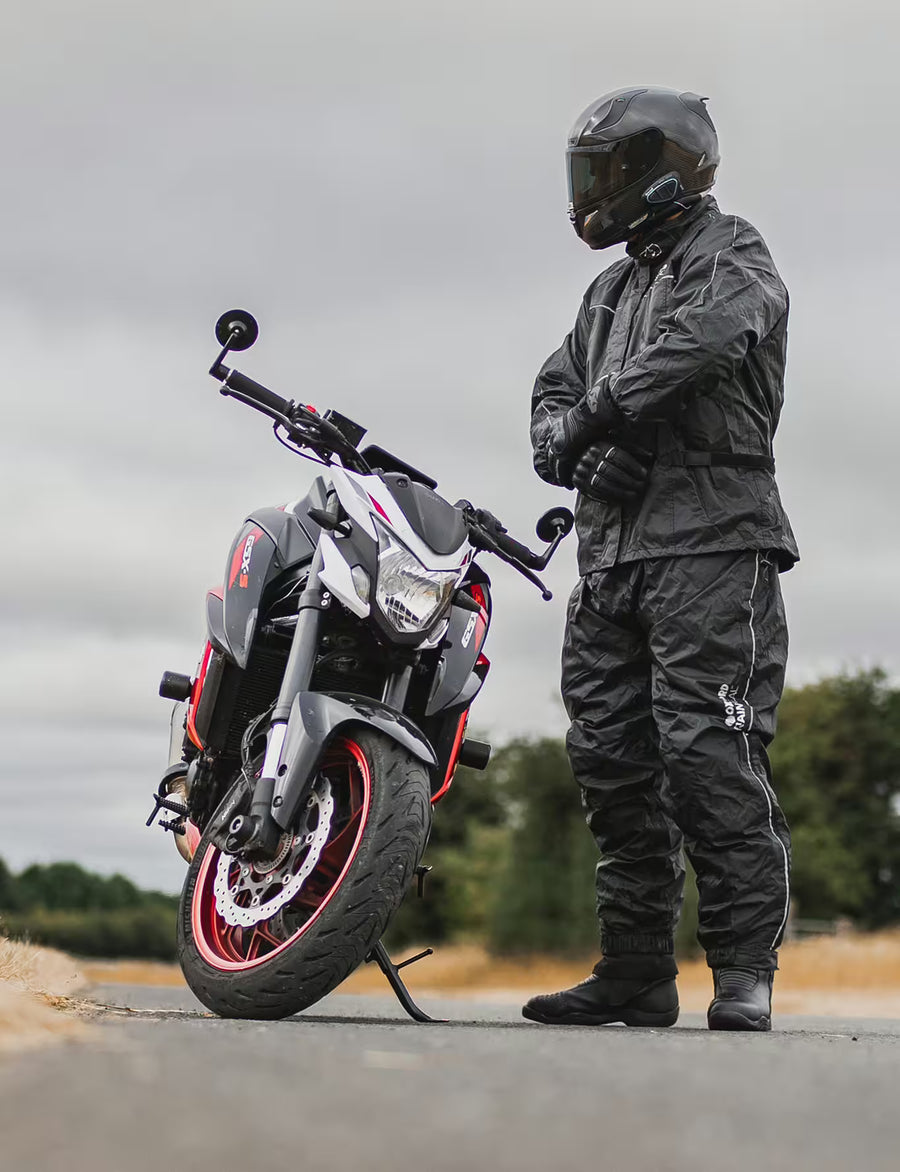
It's not only your bike that has spent the winter in storage. Check your helmet for damage and for a clean, scratch-free visor. Check that zips, hook-and-loop fasteners and armour in your clothing are still in good order. And spring weather is changeable: with rain gear under the seat you're prepared for a shower.
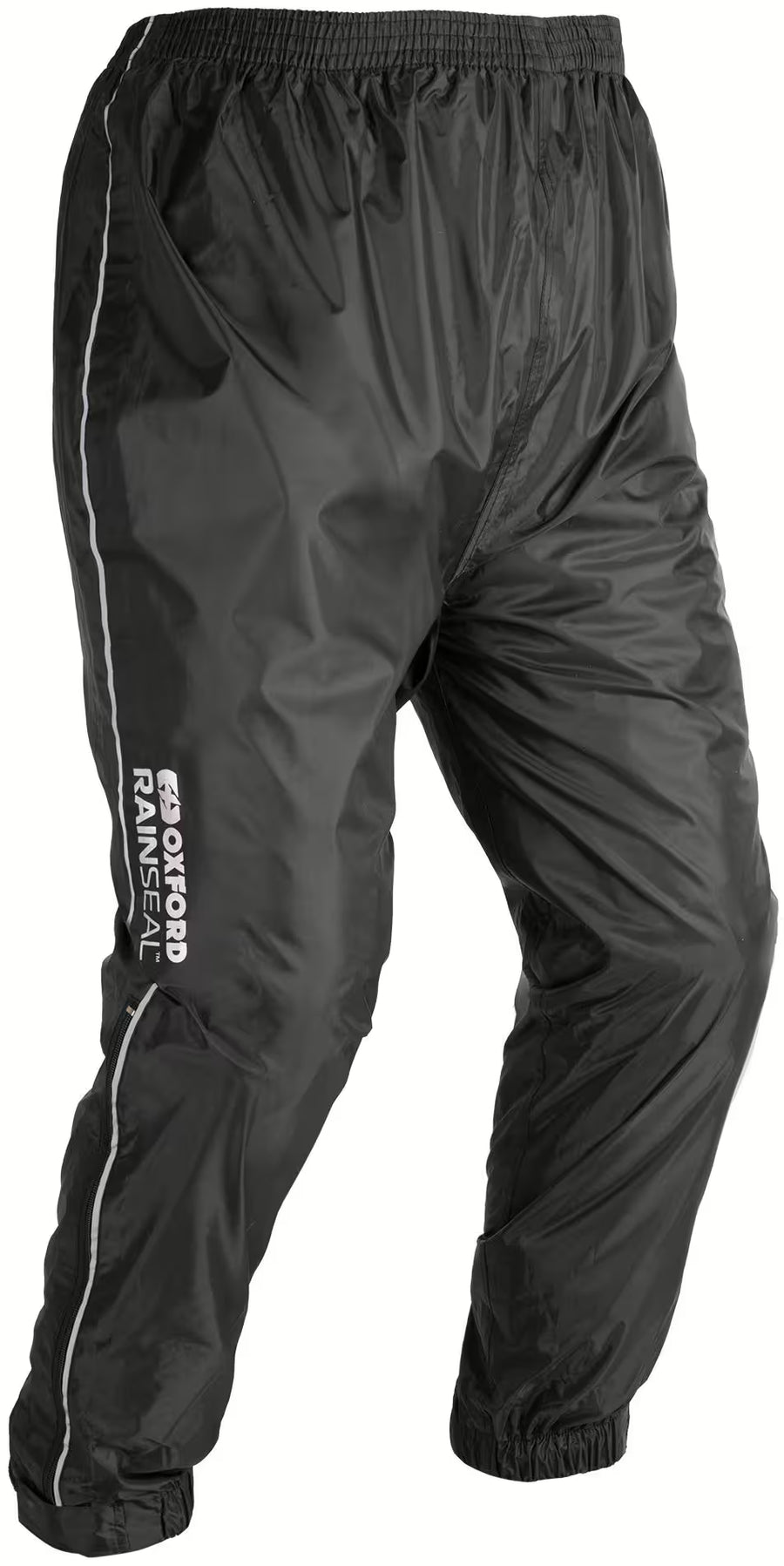
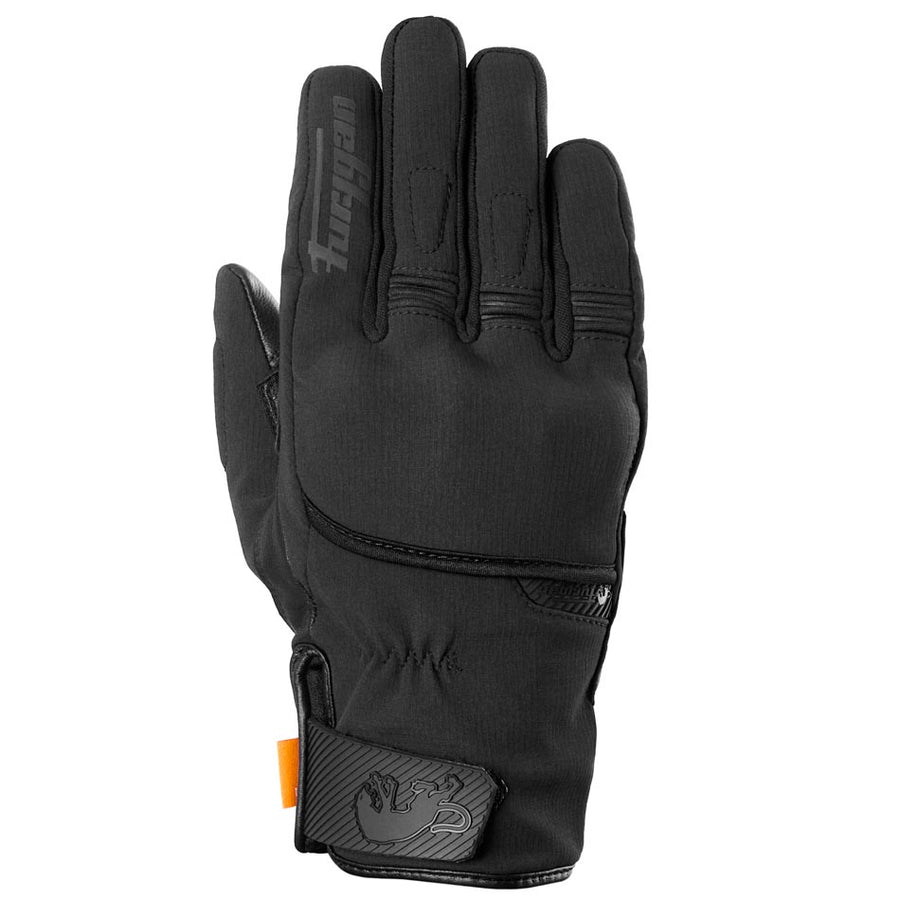
For cool spring mornings, an all-season glove is handy. The Furygan Jet All Season has D3O knuckle protection and is made for changing temperatures.
Want to know how to stay dry when it really starts to rain? Then read our guide to waterproof motorcycle clothing.
10. The first ride: build up gently
- Cold tyres have less grip. Ride the first kilometres gently so the tyres come up to temperature.
- Watch the road surface. After winter there is often still gravel, sand and remnants of road salt, especially in corners and at junctions.
- Other road users need to adjust too. After a few months without motorcycles on the road, drivers are slower to notice you. Ride extra visibly and predictably.
- Your own reflexes. Practise braking and steering for a moment in a quiet spot before you start a long ride.
Theft: in spring too
As soon as motorcycles are parked outside again, thefts also increase. A disc lock is small enough to carry with you at all times, for the cafe terrace or a fuel stop.

Frequently asked questions
My bike won't start after winter, what now?
Usually the battery is flat. Charge it fully with a suitable charger and try again. If it still won't start, check that the kill switch is in the right position, the side stand is up and there is fresh fuel in the tank. If it still doesn't work, have the bike checked.
Should I change my oil in spring?
If you didn't do it before winter storage, spring is a good moment. Also follow your bike's maintenance schedule.
How often should brake fluid be replaced?
Many manufacturers advise every two years. Check your bike's service booklet for the advice that applies to your model.
What is the minimum tread depth of a motorcycle tyre?
In the Netherlands it is 1 mm. If you travel abroad, check whether different rules apply there.
Can I do all of this myself?
Most items on this list, yes. If you're unsure about brakes, tyres or anything you don't trust, have a workshop check it. That applies especially to anything to do with the brakes.
Haven't prepared for winter yet?
Then first read our step-by-step guide to preparing your bike for winter. If you store the bike properly, you'll have much less work in spring. If you have questions about products or maintenance, contact us via the contact page.